




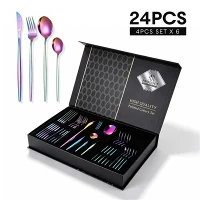
Coffee Set
Custom Coffee Set Manufacturer in China
Decocraft is an international brand which focus on the production for tableware and houseware and gifts combination. We provide to valuable customers the creative and innovative tableware for the everyday life of everyone. The Key success was its commitment to continuous product development in order to cater the endless call for new trend.
Why Choose Us
We utilize a range of techniques in the manufacturing and designing process, whether to order in bulk or in smaller quantities, we can handle one-time projects as well as a larger volume within a specified timeframe.
We have thousands of tableware and houseware and gifts combination for corporate annual dinner or door gifts to choose from, such as: Ceramic mug, ceramic bowl, cup and saucer, dinnerware, candle holder, coffee set, glassware mug and more. Apart from this, items are also made to cater specific needs of institutional buyers, hotels and restaurants.
We can accept OEM and ODM service, it can include: shape, color, size, printing, packaging bag, box, carton box etc. Whether you prefer our designs or to make your own, we value your design and preferences, and will utilize our expertise to meet your requirements.
Most of the products shown on this website can be personalized with logo branding. The type of method use are depending on the shape of the surface and material use. Most common methods are silkscreen printing, pad printing, UV printing, laser engraving, emboss and embroidery.


A coffee set is a set of porcelain or pottery for serving coffee. It usually includes: Coffee pot, Cream pitcher, Sugar bowl, Matching cups and saucers. Coffee sets can be made from a variety of materials, including: Porcelain, Pottery, Silver, Silver plated, Brass, Ceramic.
Benefits of Using a Coffee Set
Let’s get the obvious thing out of the way right at the start. Unlike the cardboard variants you get in coffee shops, reusable coffee containers keep your coffee warm for a long time. This is the primary benefit of getting your own but let’s see what other benefits they bring to the table.
Many reusable coffee cups are made from sustainable materials, and no, we don’t consider plastic reusable coffee cups to be among them. Furthermore, using a sustainable coffee cup over and over again means that you are not a part of the wasteful cycle of creating paper or plastic cups.
How many times have you seen trash cans overflowing with empty coffee cups thrown away never to be used again? This happens daily, and the only way to ensure you are not part of the crowd making a mess is to get a cup you can use again.
Now, if the style is essential to you, walking around with a plain old coffee cup isn’t something you’d prefer. Style revolves around maintaining a recognisable look and picking out a coffee cup that fits your style.
Usually, when people have their cups, they often tend to brew their coffee at home. This might seem counterintuitive but getting your coffee machine and coffee is much more economical in the long run.
What kind of coffee do they use to brew your drinks at the local coffee shop? What type of sugar and additives? Do they put in something that they don’t disclose? You don’t know! When you bring your coffee, in your own cup, you know what you are drinking. This is especially important for people with allergies.
Continue the grievances we have with regular cups-a coffee cup or a coffee mug is supposed to keep your brew hot for a long time the way ceramic cups do. Your reusable cup is designed to retain heat so you can sip your coffee over a long time without it getting cold. Reusable plastic coffee cups with lids help you avoid spilling your coffee by accident.
Usually, when people have their cups, they often tend to brew their coffee at home. This might seem counterintuitive but getting your coffee machine and coffee is much more economical in the long run.
Not all disposable cups are made in the same ways, and some don’t meet health standards, putting your health in jeopardy. Sure, most of them don’t contain toxic materials that can harm you immediately, but prolonged exposure can cause issues, and some of them can be quite serious. With reusable plastic coffee cups, there is no chance this can happen.
Getting your coffee cup, reusable and convenient, and after a while, you’ll get so used to it that you’ll wonder how you ever managed without it. It will become a part of your routine, and you’ll make sure you always have it on your person.
Common Materials of Making Coffee Set
Ceramic: While the material is quite crucial in determining how you enjoy your coffee, there isn’t much debate about the best materials for coffee cups as there is always one winner-ceramic. To start with, ceramics don’t affect the taste of your coffee. It does not release or add flavors into your cup, meaning that you enjoy your cup as you wanted it to be.
Plastics: Plastic cups are not the best cups to use for hot beverages. While they are cheaper, lightweight, and durable, they come with several negatives that affect your health, the taste of your coffee, and the overall coffee-drinking experience. Firstly, the coffee’s natural oils end up getting trapped in plastic cups, which significantly affects the flavor.
Glass: Coffee mugs made of glass can be quite stylish and fashionable. They allow you to have a full view of your drink from top to bottom. The glass materials are neutral, which means your coffee will taste and smell as it should.
Stainless steel: Stainless steel cups do a great job of keeping your coffee hot for more extended periods. That’s why we have many stainless steel travel mugs.They are durable, non-porous, and great heat retainers. However, they’re pretty expensive and often alter the taste of your coffee due to metal material leaching into the coffee.
Melamine: Melamine is not widely known in the coffee industry. However, this material is one of the best as it is affordable, durable, and easy to clean by hand or dishwasher. Melamine keeps your brew hot without scalding your hand. However, it is not microwave friendly as it is susceptible to breaking when reheated.
3 Steps to Customize Your Coffee Set
Step 1: Choose the Right Style
When you begin creating custom coffee set, you want to select a style that is trendy and will stand out. There are a variety of shapes and sizes to consider,Get creative by choosing a style that is unique or trendy!


3 Steps to Customize Your Coffee Set
Step 2: Select a Material and Imprint Method
The material of your custom coffee set is one of the most important aspects because each one has benefits for different uses. Each material is conducive to a different type of printing process, your design can be added to mugs in a variety of ways.
●Ceramic: Ceramic coffee set are highly durable so you can have your design printed in a variety of ways. Pad printing is great for ceramic coffee set because of the smooth surface!
●Glass: Glass coffee set are convenient because they are clear, and you can easily see how much liquid you have left. Laser engraving is a great imprint method for glass coffee set.
3 Steps to Customize Your Coffee Set
Step 3: Design Your Coffee Set
After you have an idea of the style, material, and imprint method for your custom coffee set, it is time for the fun part: selecting the color of your coffee set, and then choosing your design!
●Color: Does your business have a signature color or cause you support? Use custom coffee set to spread awareness of your brand or charity. You can also select different colors for the inside and outside, or add a full color photo when designing your coffee set.
●Match a Logo: If you plan to place a logo on your mugs, you can add accent colors to match such as a different colored handle or rim.
●Pick a Pattern: Instead of solid colors, pick a trendy pattern for your coffee set.
●Design: Consider the coffee set colors you have chosen when adding your logo or design to ensure they aren’t too similar. A good rule of thumb to follow is to use a light logo color with a dark mug color, and vice versa. Be sure your logo or design is legible and properly sized on your coffee set.

Use one of these methods (or a combination of all three for tough stains) to combat coffee and tea stains.
Soak with Soap and Scrub
Dish soap is formulated to lift stains and can be your first line of defense to get coffee stains out of mugs. Squirt a little soap into the mug, add enough warm water to cover the stain, and swish the mixture around. Let the mug sit for a few minutes (longer if the stain is set in) and allow the dish soap to penetrate the stain. Once the soap has had a chance to work, scrub the stain with a sponge.
Scrub with Baking Soda
Sprinkle about 1 tsp. baking soda on the stain and add a little water to make a paste. Scrub the stain with a damp, soft sponge. The gentle, abrasive nature of baking soda helps lift coffee or tea stains from the surface. Once you've finished scrubbing, rinse the mug well to remove any remaining baking soda.
Soak in Vinegar and Scrub
Fill your mug halfway with distilled white vinegar, then fill to the top with very hot water. Allow the mixture to sit for at least 10 minutes to give the vinegar time to work. After soaking, scrub away the stains using dish soap and a soft sponge, then rinse.
Coffee Cup Size Guide
|
Type of Coffee Cup |
Approx. Measurement |
|
Espresso cup |
60ml |
|
Cappuccino cup |
180ml |
|
Flat white cup |
160ml |
|
Standard mug |
350ml |
|
Macchiato cup |
60ml |
|
Bol |
160ml |
|
Latte glasses |
220ml |
|
Cortado glass |
135ml |
|
Irish coffee glass |
250ml |
|
Turkish coffee cup |
75ml |
Different Types of Coffee Set
The Standard Coffee Mug
For most of us at home, we have a special mug that we drink our favourite Nescafé coffee from. Whether it’s personalised, giant, self-stirring, or one you’ve had for years, we all have our favourite coffee cup in the cupboard.
The Espresso Cup
An espresso cup, also known as a demitasse cup - the French word for half cup, is the smallest of the coffee cups. The cup, though small, tends to be narrower at the base, and wider at the rim. It’s important that the espresso cup is not too big, as this can cause the crema to spread out, become too thin, and fade quickly. A larger coffee cup also affects the temperature of the espresso and it can become too cold quickly, exposing it to too much air, and, as we know, there is more to an espresso than simply shotting it, it’s all about the experience. Macchiatos are also served in espresso cups.
The Cappuccino Cup
The Italian cappuccino cup is smaller than the standard cappuccino coffee cup. Most cappuccino cups are also narrower at the base and wider at the rim. This is for the same reasons as the espresso cup, except with the cappuccino cup, the espresso shot remains more concentrated in a narrow base. This dome-shaped cup will also allow the perfect foam topping. Cappuccino cups should also have matching saucers. Americano coffee drinks are also served in these types of cups.
The Flat White Cup
Served correctly, the flat white cup is similar to the cappuccino cup, but smaller in size and shaped like a tulip, being narrower at the rim. The size of the flat white cup allows the coffee flavour to remain prominent, as well as have a silky smooth and creamy texture.
The Bol
With French coffee, it’s common to drink a café au lait from a bowl-type coffee cup called a bol, which is usually made out of porcelain. When drinking café au lait from a bol, it should be held with both hands, as they tend to not have handles, and drunk like soup.
Latte Glasses
Lattes can also be served in a bowl like mug, but one that is typically larger than a cappuccino cup. This makes is easier to pour the steamed milk over the espresso, and maybe even create some latte art. However, typically and historically, the Italians have served their lattes in tall latte glasses. This is widely believed that it’s because it shows off the perfect layers of a latte. Latte glasses also help baristas achieve the right quantity of espresso, milk and foam.
The Cortado Glass
The cortado is quite a new face in the world of coffee. Starting in the Blue Bottle Café in San Francisco, Gibraltar tumblers were used to make this drink. Being a little too small for their cupping coffee, the baristas started accidentally making cortados in these glasses. Founder, James Freeman, says the Gibraltar as a cortado glass “has had surprising international success, appearing on menus in the United States, Europe, and Japan".
The Irish Coffee Glass
The Irish coffee glass, unlike a standard coffee cup, is made from glass and has a short stem to elevate the drink. Some versions feature a handle, while most are compared to stout glasses. As the Irish coffee glass is clear, it allows its drinker to see its beautiful layering of coffee and cream.
The Turkish Coffee Cup
To make Turkish coffee, an ibrik or cezve, the name of the pot with a long handle, is used for brewing. Then, it’s poured into a separate coffee cup. Often referred to as a demitasse cup, the Turkish coffee cup is in fact different to ones used for espresso. Turkish coffee has a much higher temperature than espresso because of how it’s made. Therefore, the coffee cup must withstand the temperature and hold a steady high temperature as the coffee grounds settle. This coffee drink is also designed to be enjoyed for a long time, not shot like espresso. Turkish coffee cups are often made of porcelain and have the right level of thickness to maintain this temperature.
How Do I Choose a Coffee Set?
Coffee Cup Material
The three most common types of mugs are ceramic, glass, and metal. They each have advantages and disadvantages. Ceramic is the most common material used to make coffee cups. hey tend to be affordable, but they can crack or chip if handled roughly or exposed to hot liquids or sinks. Ceramic mugs are dishwasher safe and microwavable. A wide range of shapes, sizes, and styles are available in glass. Many people prefer glass coffee cups since they can see the color and clarity of their beverage. However, a majority of glass cups in the market are too light or fragile for practical use. Also, glass doesn't conduct heat well, so it won't keep your drink warm. For this reason, we have introduced our signature coffee cups and tasting glasses made with borosilicate glass. Borosilicate glass is ideal for long-term use. It will not crack when exposed to extreme heat or cold. The double-wall provides excellent thermal insulation. These cups look beautiful and are easy to stack. Stainless steel is another good material for coffee mugs. They are durable, insulate fairly well, and are, of course, rust-free. However, metal cups are not dishwasher safe. Melamine or stoneware are some other materials used for coffee cups.
Choosing the Right Size and Height
The most common size of a coffee mug is 12 ounces. This is generally the standard size in restaurants and cafes. However, an average person may only need 8 to 10 ounces of coffee, depending on how strong you like it. You can use a smaller cup if you want a single serving or if you prefer to drink your coffee slower. In addition, smaller cups are ideal for home-brewed coffee since they can be easily refilled. A bigger mug will suit you if you intend to use it on the go. Another thing to consider when choosing a coffee cup is how high it stands from the bottom to the rim. A higher mug allows more coffee crema to form inside the cup, which improves the aroma. However, taller mugs are inconvenient for people who need only a few sips.
One-handle vs Two-handle Mugs
You might find it more relaxing to enjoy your coffee in a double-handle mug if it's just you and your partner. However, you should choose a one-handed cup if you make coffee for a large group of people. It is easy to serve coffee to everyone without too many handles.
Travel Mugs
Another type of coffee cup is the travel mug. They usually come with a lid that prevents spills or have rubber grips, so they are easy to carry around. These are great for people who are always on the move and need to transport their drinks. You should carry your own cup even if you are not a frequent traveler. The use of disposable cups rather than reusable cups harms the environment in more than one way.
Coffee Maker Compatibility
Before buying a coffee mug, you will also need to check if it is compatible with your coffee maker. Some coffee makers are designed to make optimal use of the mugs. Therefore, only certain models will work with the machine.
Additional Features
The main function of a coffee mug is obviously to hold liquid, but it may also come with additional features such as temperature control. These devices can be connected to your smartphone and maintain a set temperature. You can also go for personalized mugs, cups with lids, or silicone sleeves. While these features are nice-to-have, it's best to prioritize your needs and choose a mug that is effective for what you require.
Tips for Caring for Your Ceramic Coffee Set


Always Hand Wash Your Ceramic Coffee Mug
Ceramic mugs are not dishwasher safe and should always be washed by hand. Using a dishwasher can cause the glaze to chip or fade over time, leaving your mug looking worn and faded. To clean your ceramic coffee mug, use a gentle dishwashing liquid and warm water. Rinse the mug thoroughly, then dry it with a soft cloth to prevent water spots.
Use a Gentle Cleaning Solution
When washing your ceramic mug, avoid using abrasive or harsh cleaning solutions, as they can damage the glaze or cause scratches on the surface of the mug. Instead, opt for a gentle cleaning solution like baking soda or white vinegar. I honestly prefer baking soda because I hate the smell of vinegar, but vinegar might do a better job. These natural cleaning agents are effective in removing stains and odors without damaging the glaze. Simply mix the cleaning solution with warm water and use a soft sponge to gently scrub the mug. After cleaning my mug, I like to give it a thorough rinse and dry it with a soft cloth.
Don’t Use Abrasive Scrubbers on Your Ceramic Coffee Mug
In addition to avoiding harsh cleaning solutions, it’s essential to use a soft sponge or cloth when cleaning your ceramic mug. Avoid using abrasive scrubbers like steel wool or scouring pads, as they can scratch the surface of the mug. Instead, use a soft-bristled brush to clean the inside of the mug.
Soak Your Ceramic Coffee Mug to Remove Stains
If your ceramic mug has stubborn stains, soaking it in a solution of warm water and baking soda can help remove them. Fill your sink with warm water and add one tablespoon of baking soda per cup of water. Place the mug in the solution and let it soak for several hours or overnight if the stain is particularly stubborn. After soaking, rinse the mug thoroughly and dry it with a soft cloth.
Avoid Extreme Temperature Changes
Ceramic mugs are sensitive to extreme temperature changes, which can cause them to crack or break. To prevent this from happening, avoid pouring hot liquids into a cold mug or vice versa. Allow your mug to come to room temperature before pouring hot or cold liquids into it. To keep your ceramic mug in top condition, it’s important to avoid extreme temperature changes.
Store Your Ceramic Coffee Mug Properly
When storing your ceramic mug, avoid stacking it with other mugs or cups, as this can cause scratches or chips on the surface of the mug. Instead, store your mug in a dry, cool place where it won’t be bumped or jostled. Proper storage is key to keeping your ceramic mug in top condition. If you have limited space, you can use a mug tree or mug rack to keep your ceramic mug organized and easily accessible.
Be Mindful of the Handle
The handle of your ceramic mug is an important part of its design and functionality. To prevent the mug from slipping out of your hand and potentially breaking or chipping, be sure to hold it by the handle and not the body of the mug. This will also help distribute the weight of the mug evenly, making it easier to hold and enjoy your favorite beverage.
Use Coasters to Protect the Surface
Using a coaster is a simple yet effective way to protect the surface of your ceramic mug from scratches and stains. It will also help prevent moisture from accumulating on the surface of your mug and potentially damaging the glaze. Choose a coaster that is the right size for your mug and that complements the design and style of your mug.
Don’t Microwave Your Ceramic Coffee Mug
Ceramic mugs are not microwave safe and should never be heated in a microwave. The high temperatures can cause the glaze to crack or chip, leaving your mug looking worn and damaged. Instead, heat your beverage in a microwave-safe container before pouring it into your ceramic mug.
Take Care When Transporting Your Ceramic Mug
If you need to transport your ceramic mug, such as when taking it to work or on a trip, be sure to wrap it in a soft cloth or bubble wrap to protect it from bumps and jostling. Place the wrapped mug in a sturdy bag or container to prevent it from moving around during transport.
Our Certificates
